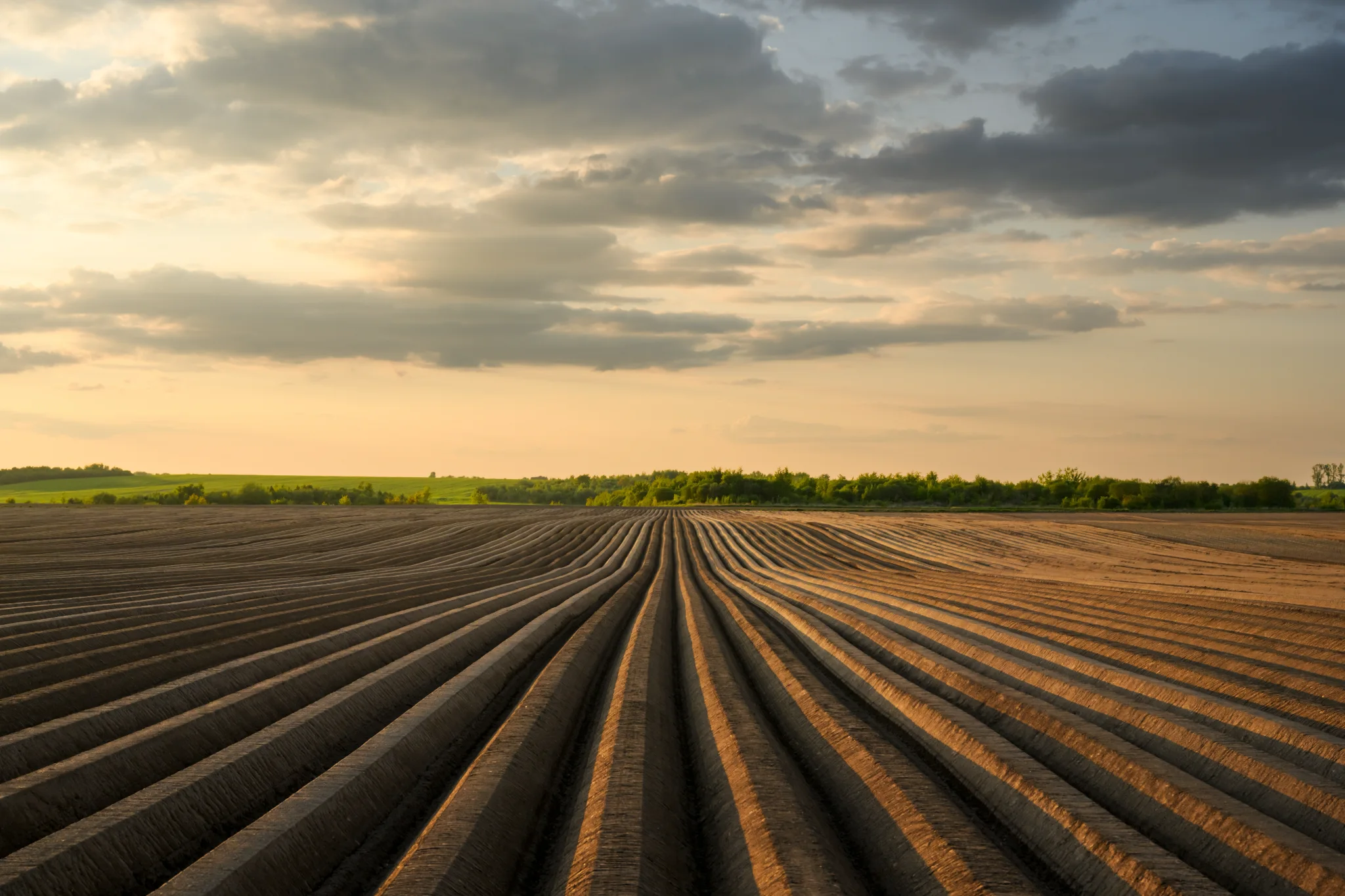
OPEN-FIELD GROWING
Microbiology in open-field growing
In open-field growing, a crop grows in an open and constantly changing soil system. Soil structure, moisture, oxygen, organic matter and fertilisation together shape the environment around the root.
A suitable microbial application therefore starts with an understanding of the soil, the crop and the way water and nutrients are supplied.
THE SOIL AS ROOT ENVIRONMENT
A living soil calls for a targeted approach
In open-field growing, the root zone cannot be fully controlled. Rainfall, temperature, soil compaction and variation within the field mean that conditions are constantly changing.
At the same time, the soil is an important buffer for water, minerals and organic matter. Microbial applications therefore need to fit with what is already present in the soil and with the conditions in which the crop grows.
A good application is never separate from the soil structure, the growth stage and the existing farm management.
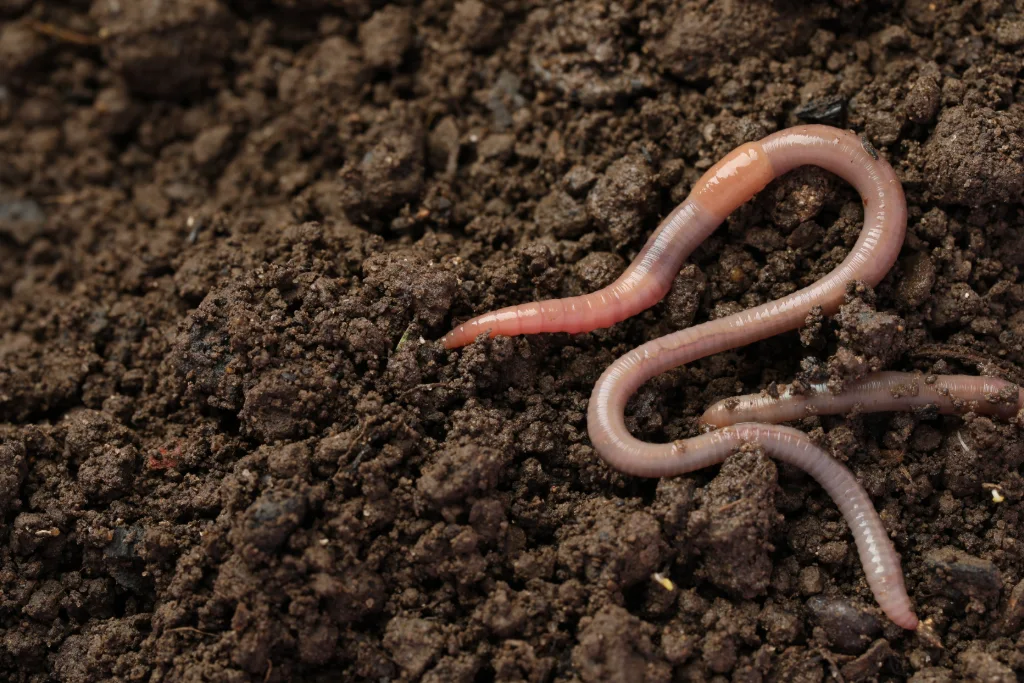
FROM SOIL TO ROOT
Three elements shape the application
A microbial application only reaches the root when product choice, application route and conditions are aligned.
SOIL AND STARTING POINT
The soil the crop has to grow in
Soil type, structure, organic matter, moisture distribution and previous crops determine the starting point. Clear differences can exist even within a single field.
A soil analysis and knowledge of the field help to build the application in a targeted way.
WATER AND APPLICATION ROUTE
The route to the root
Micro-organisms can be brought to the root zone through a planting-hole treatment, drenching, drip irrigation or another targeted form of watering.
The chosen route determines how precisely and at what moment the application reaches the plant.
TARGETED MICROBIAL APPLICATION
Micro-organisms where they need to be
BIOMICROBES microbial products are matched to the crop, the growth stage and the purpose of the application.
Not every application should be made at the same moment or by the same route.
DIFFERENT SOILS
The same application does not work the same in every soil
Soil properties influence the distribution of water, oxygen and nutrients. This also changes the environment that applied micro-organisms end up in.
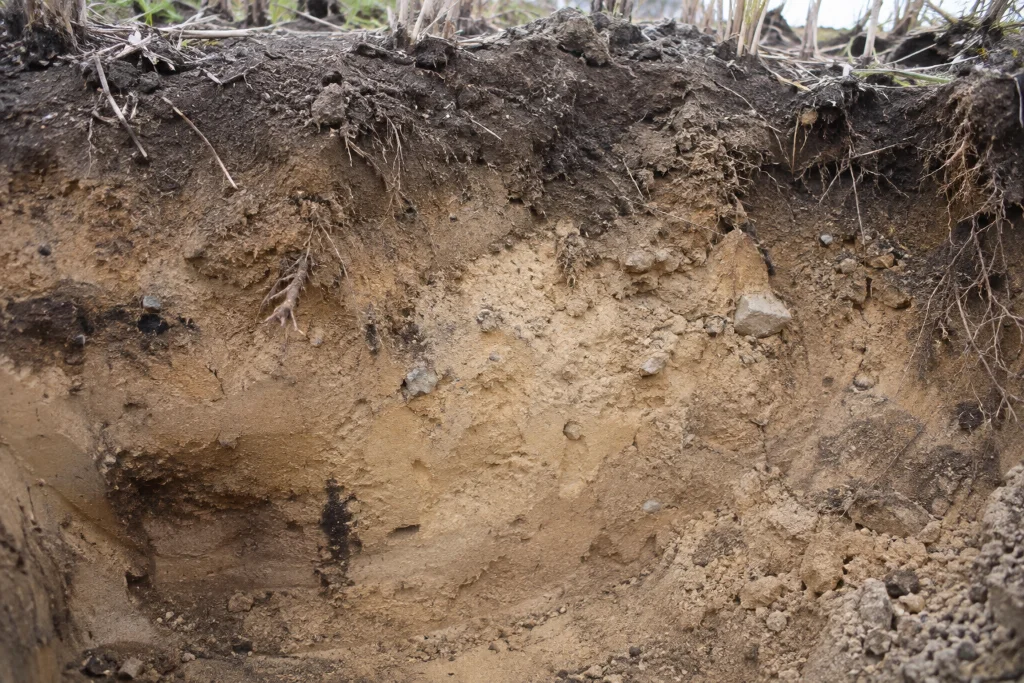
Little buffering and rapid changes
Sandy soil usually drains water quickly and often has a limited buffer for moisture and nutrients. The timing of application and the moisture status around the root therefore deserve extra attention.
Targeted, well-timed application helps to bring the microbial application close to the active root zone.
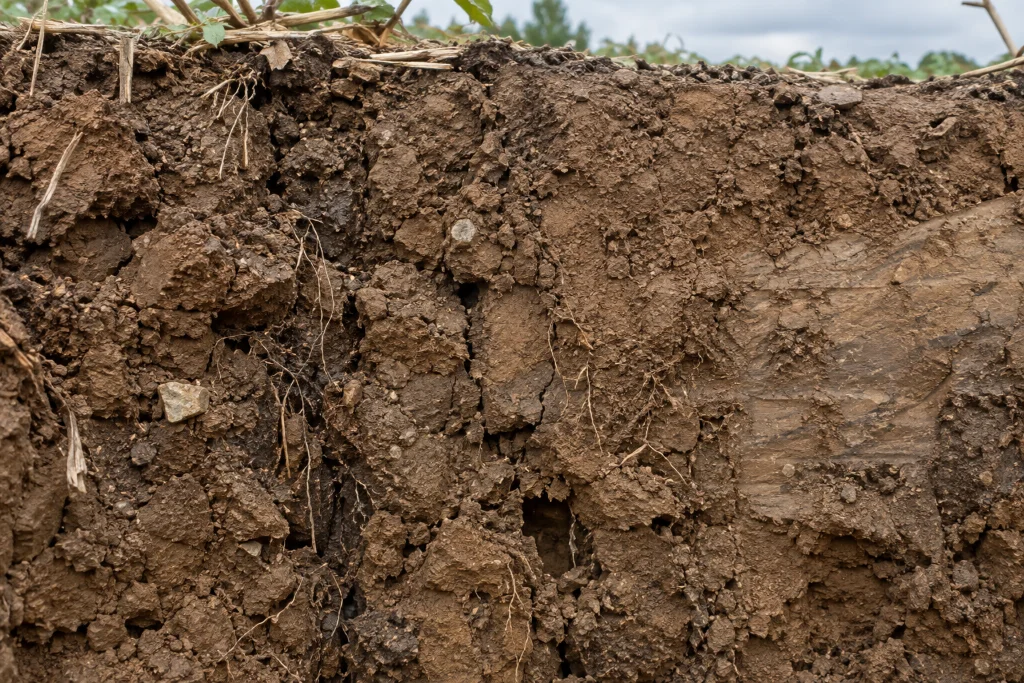
More buffering, but not always more availability
Clay and loam soils can hold water and minerals more strongly. With compaction or overly wet soil, however, the amount of available oxygen around the root can drop quickly.
Soil structure and the timing of tillage or irrigation are therefore important parts of the application.
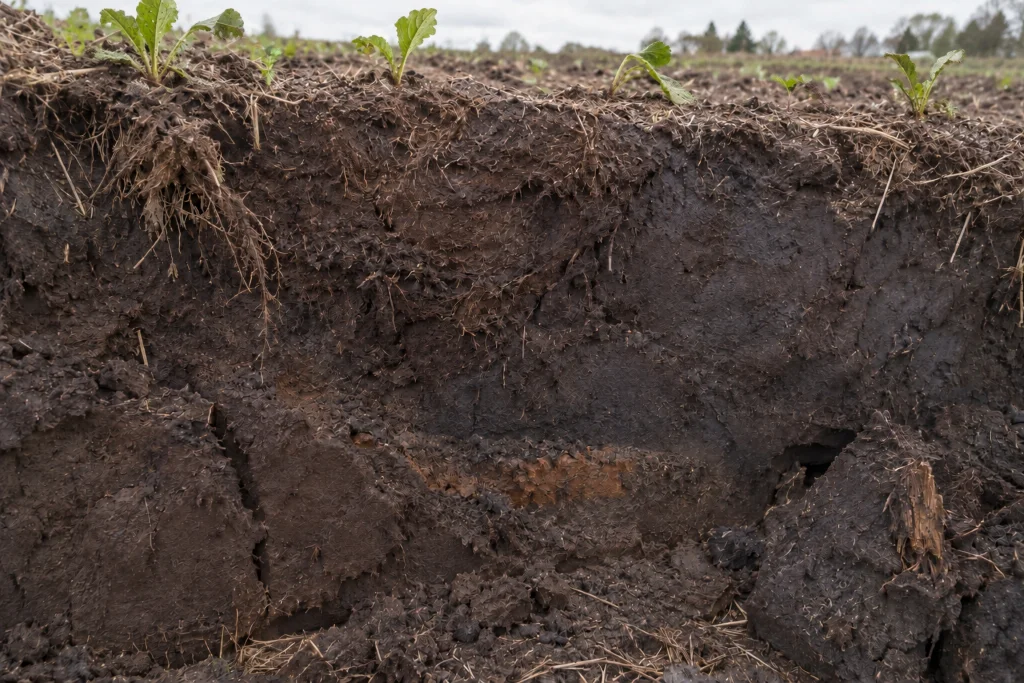
An active system with its own dynamics
Soils high in organic matter have a different biological and physical starting point. The existing microbiology, water-holding capacity and breakdown of organic material play an important role here.
An additional microbial application needs to fit with this existing soil system.
FROM APPLICATION TO ROOT ZONE
Four moments in the growing season
The best application route depends not only on the product, but also on when the plant needs support.
Preparing soil and field
Map out the starting point. Look at soil type, structure, moisture, organic matter, previous crops and planned irrigation.
Sowing, planting or transplanting
Around sowing and planting, a targeted application can be placed close to the young root zone. The application method must suit the crop and the equipment available.
Root system development
During vegetative growth the root system expands. Irrigation, soil moisture and root activity determine where and when a follow-up step is appropriate.
Maintenance during the season
In a longer growing season, repeat application can be part of the crop strategy. Frequency and dose are matched to the crop, season length and application route.
CHOOSING THE RIGHT ROUTE
An application starts with four practical questions
Soil type, structure, moisture status and organic matter determine the conditions that roots and micro-organisms encounter.
A young plant calls for a different approach than an established crop with an extensive root system.
Think of a planting-hole treatment, drenching, drip irrigation or another targeted application through irrigation.
Strong oxidising agents and certain forms of water disinfection can affect the viability of applied micro-organisms. Align water treatment and microbial application accordingly.
COMPOSITION AND APPLICATION
Living micro-organisms call for a well-considered application
A microbial product only works when the micro-organisms arrive viable in the right place. Product choice, water quality, dose, timing and soil conditions therefore form one whole.
Discuss your growing system →Water quality and dosing
Product choice, water quality, dose and timing of application need to be aligned.
Combining applications
Take fertilisers, crop protection products and the mixing order into account.
Water treatment
Align microbial application with water treatment and avoid unsuitable simultaneous application.
SUITABLE SOLUTIONS
Products for open-field growing
BIOMICROBES 02
Microbial biostimulant for targeted application around the root in soil and substrates.
ViewBIOMICROBES 02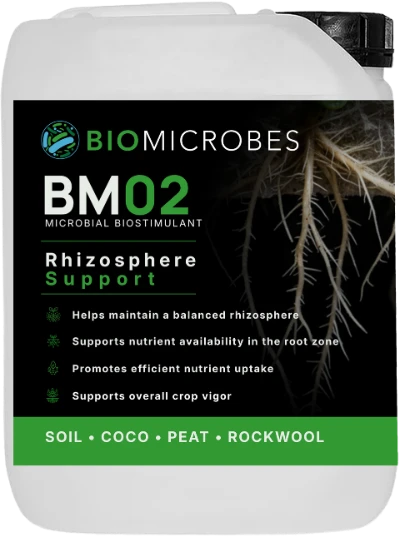
BIOMICROBES 08
Microbial biostimulant with its own composition to support processes in the root environment.
ViewBIOMICROBES 08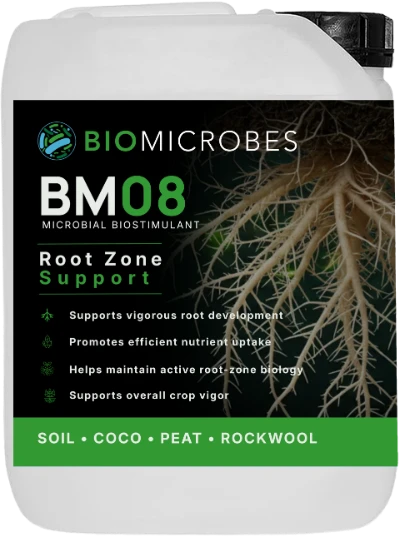
ROOT-N
Brings Azotobacter vinelandii to the root environment, adding a distinct microbial function to the rhizosphere.
ViewROOT-N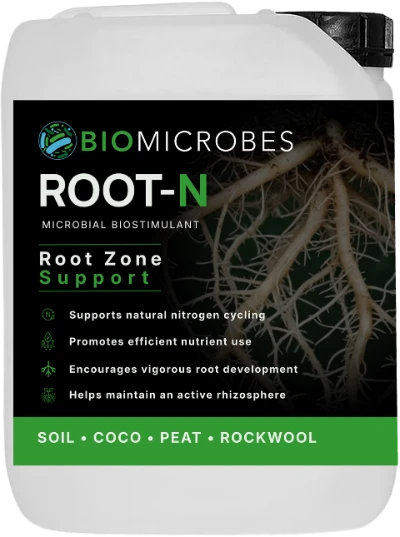
WATER TREATMENT
For microbial support of stored water and irrigation water within the growing system.
ViewWATER TREATMENT

Growing on rock wool, coco coir, peat or another solid substrate?
View Greenhouse & SubstratePRACTICAL QUESTIONS