How it works in the drip system
Preventive maintenance for a reliable drip system
A drip system needs attention before changes in water delivery become noticeable. DRIP LINE makes microbial support part of routine irrigation maintenance. The approach shifts from reacting afterwards to supporting consistently throughout the crop cycle.
Through the irrigation water into the system
DRIP LINE is dosed during irrigation and travels with the water through the drip lines.
Active in the lines and around the emitters
The microbial formulation reaches the places where reliable water delivery matters.
Supports consistent flow
Regular application helps support conditions in the system before flow is disrupted.
Preventive maintenance throughout the crop cycle
By applying DRIP LINE consistently, microbial support becomes part of the daily irrigation process.
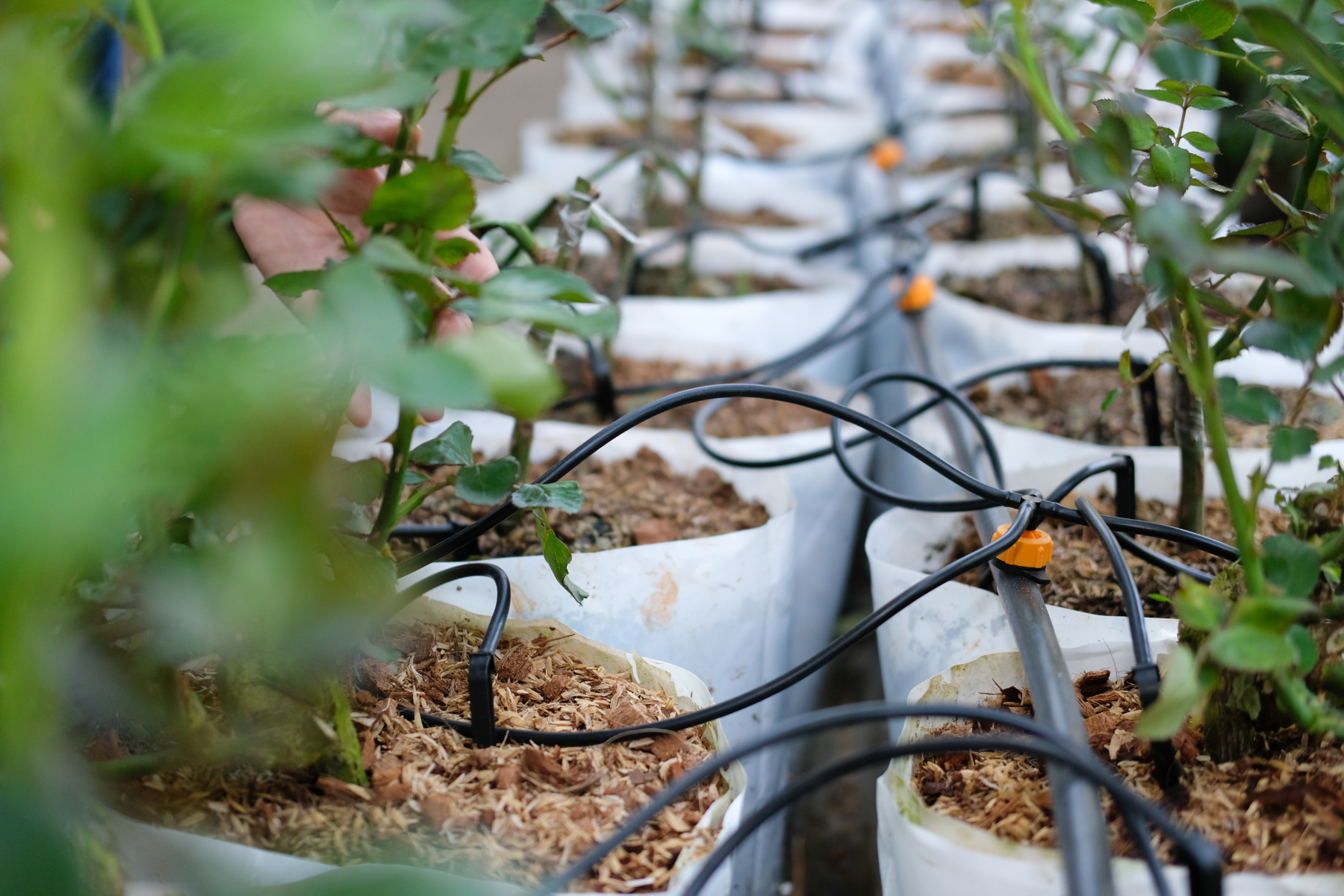
Application
Developed for professional drip irrigation
DRIP LINE is applied through the irrigation water in professional drip irrigation systems, through the lines and towards the emitters.
Dosing at a glance
| Application timing | Dose |
|---|---|
| Weeks 1–3 | 2 L/ha0.809 L/acre27.4 US fl oz/acre per day |
| Weeks 4–6 | 0.4 L/ha0.162 L/acre5.47 US fl oz/acre per day |
| From week 7 | 0.2 L/ha0.0809 L/acre2.74 US fl oz/acre per day |
Shake well before use and add to the irrigation water daily.
Product information
Technical product data
- Application system
- Professional drip irrigation systems
- Storage
- Store between 5 °C and 20 °C.Do not freeze.Protect from direct sunlight.
- Shelf life
- 12 months from the manufacturing date when stored as directed
- Listing status
- OMRI Listed, US & Canada, valid until 2027
- Pack sizes
- 5 L ·10 L ·600 L ·1000 L
Composition
Bacillus blend2.7%
Demineralised water97.3%
Total100.0%
The values come from the current product label. Dosing, pack sizes and regional documentation may differ per market; always follow the label for your market.
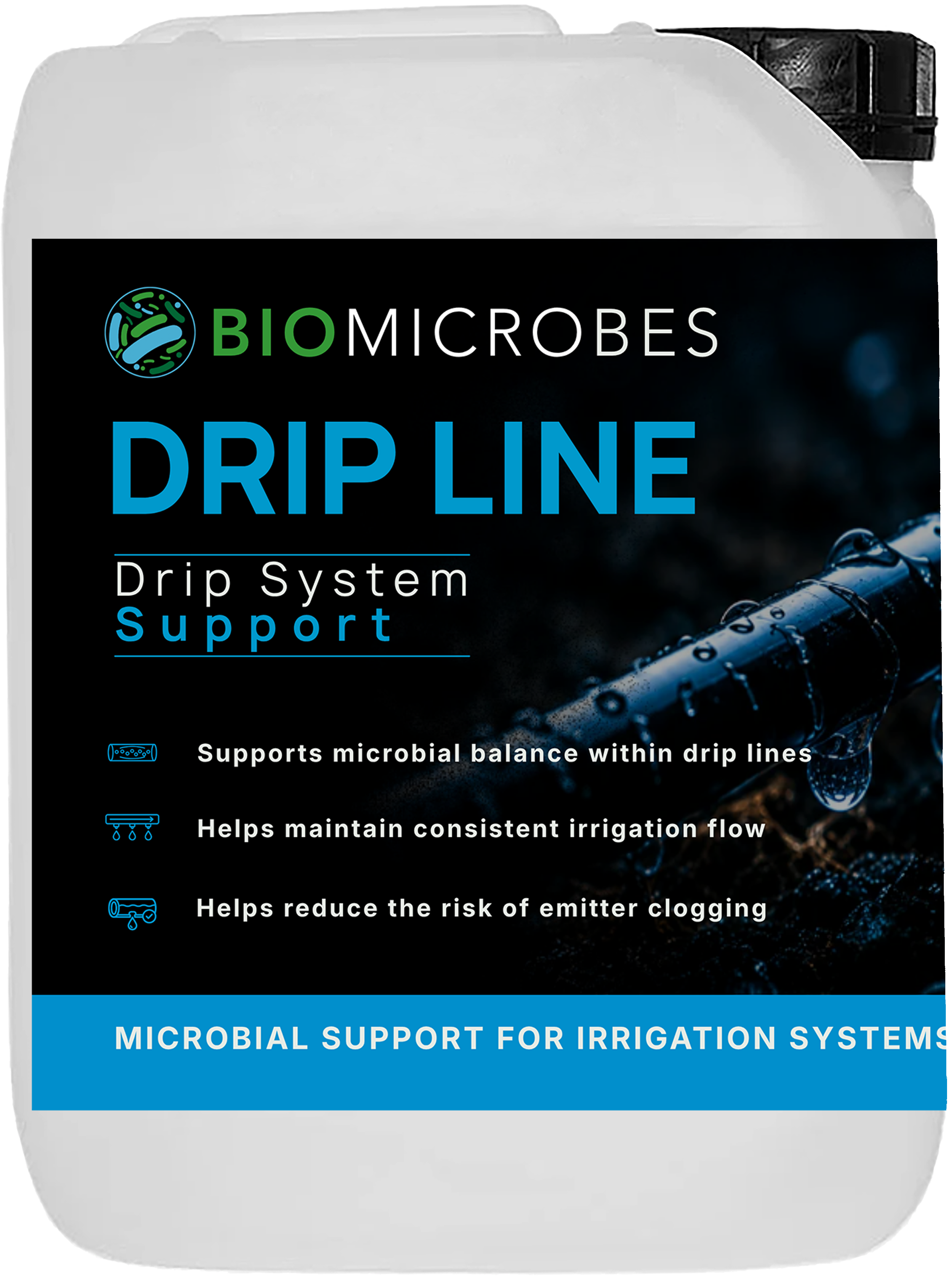
Documentation & support
Product documentation
Request the current product label or discuss the application with one of our specialists.
From water storage to emitter
Two products.Each in its place.
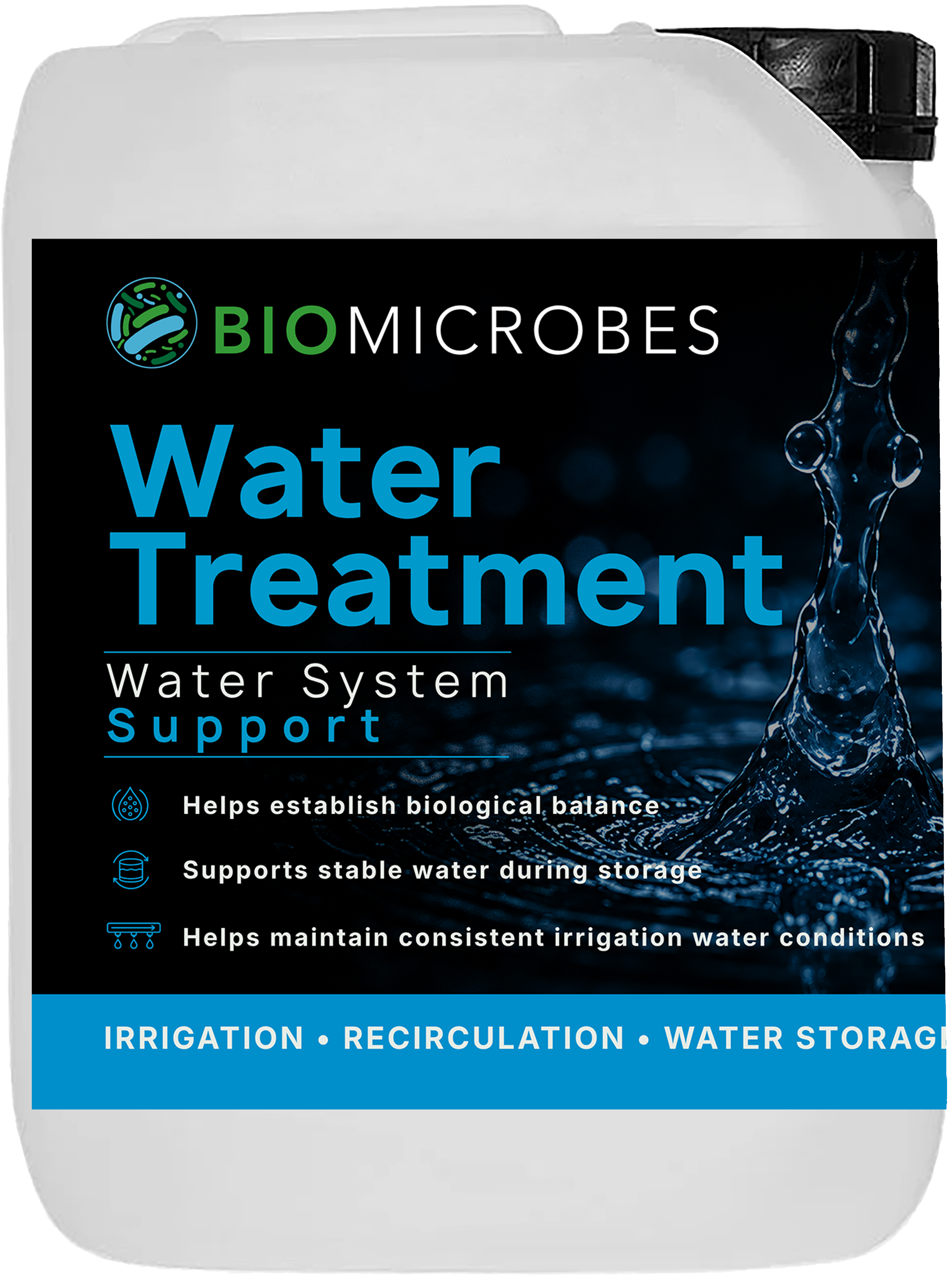
WATER TREATMENT supports the water during storage and recirculation. DRIP LINE focuses on the next stage: through the lines and around the emitters.
Frequently asked questions
Frequently asked questions about DRIP LINE
Can DRIP LINE restore an emitter that is already clogged?
DRIP LINE helps reduce the risk of emitter clogging as part of routine maintenance of drip irrigation systems. An emitter that is already clogged first requires determining the cause, such as particles, mineral precipitation or biological buildup. This supporting role is no guarantee that an existing clog will be cleared. Also check filtration and the system’s maintenance procedure.
How do I assess my drip system during a maintenance program?
Before starting, record pressure and flow at representative points, including the beginning and end of lines. Repeat under comparable operating conditions and note flushes, filter maintenance and other interventions. This lets you follow changes in the system. An improvement during a program can only be attributed to DRIP LINE once other causes have been sufficiently ruled out in the comparison.