
Products
Root zone & crop biology
BIOMICROBES develops different microbial formulations for use in and around the root zone. BM02, BM08 and ROOT-N contain different microbial compositions and each has its own role within the portfolio.
See how the products differ from one another and how they can connect within a crop program.
Microbiology at work
Why microbiology around the root?
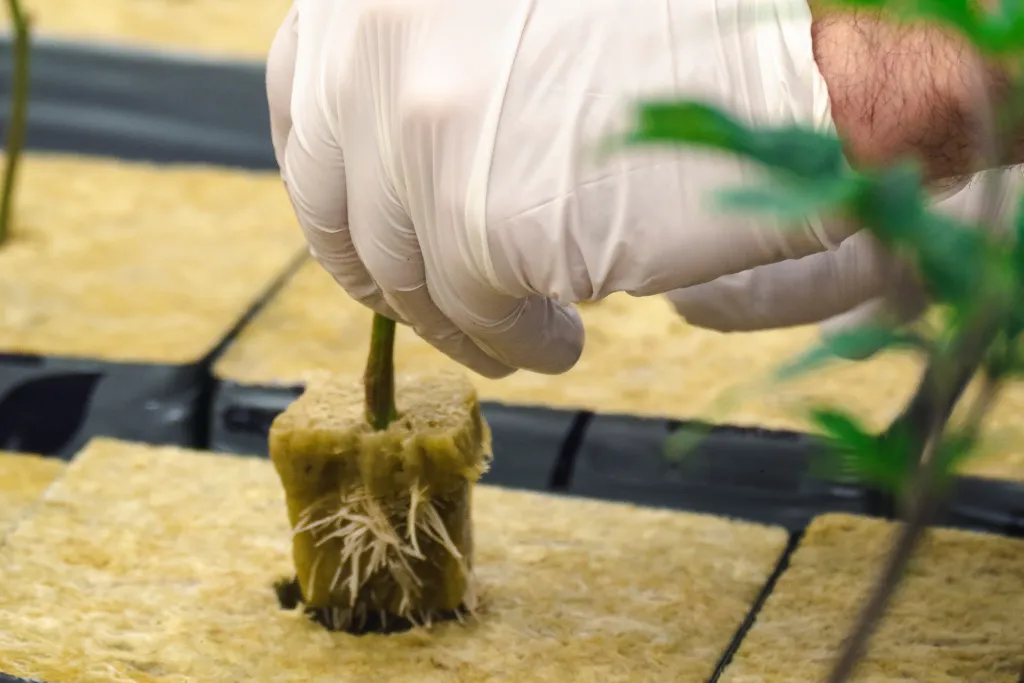
The root zone is a biologically active environment. Microorganisms perform different functions there, supporting processes around nutrients, roots and microbial activity, and with them the vitality and resilience of the crop. These functions partly overlap and complement each other: microorganisms do not work in isolation. That is why microbial composition matters, not just the presence of one bacterium.
-
01
Nutrients
Making nutrients more available and supporting efficient uptake.
-
02
Root development
An active environment in which roots develop and function well.
-
03
Rhizosphere activity
Beneficial microbial activity directly around the root, including specific functions such as nitrogen fixation.
-
04
Vitality & resilience
A well-functioning root zone as the basis for a vital, resilient crop.
The root zone portfolio
Different microbial compositions, one root zone
BM02, BM08 and ROOT-N together form the core portfolio for applications in soil and substrate. The products contain different microbial compositions and each fulfils its own role within the portfolio.
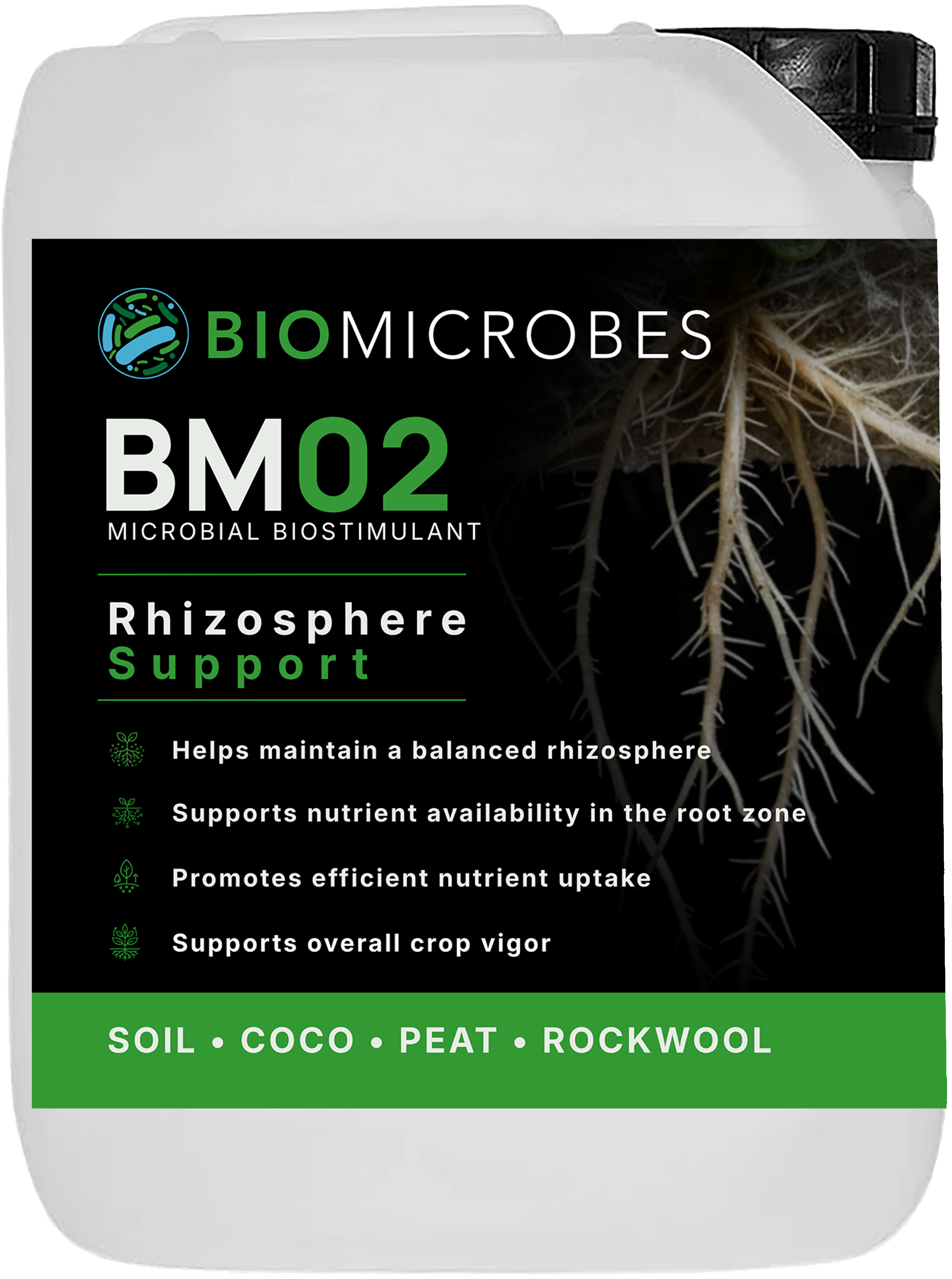 BIOMICROBES 02
Pseudomonas biostimulant
Targeted: one organism for the rhizosphere
View product →
BIOMICROBES 02
Pseudomonas biostimulant
Targeted: one organism for the rhizosphere
View product →
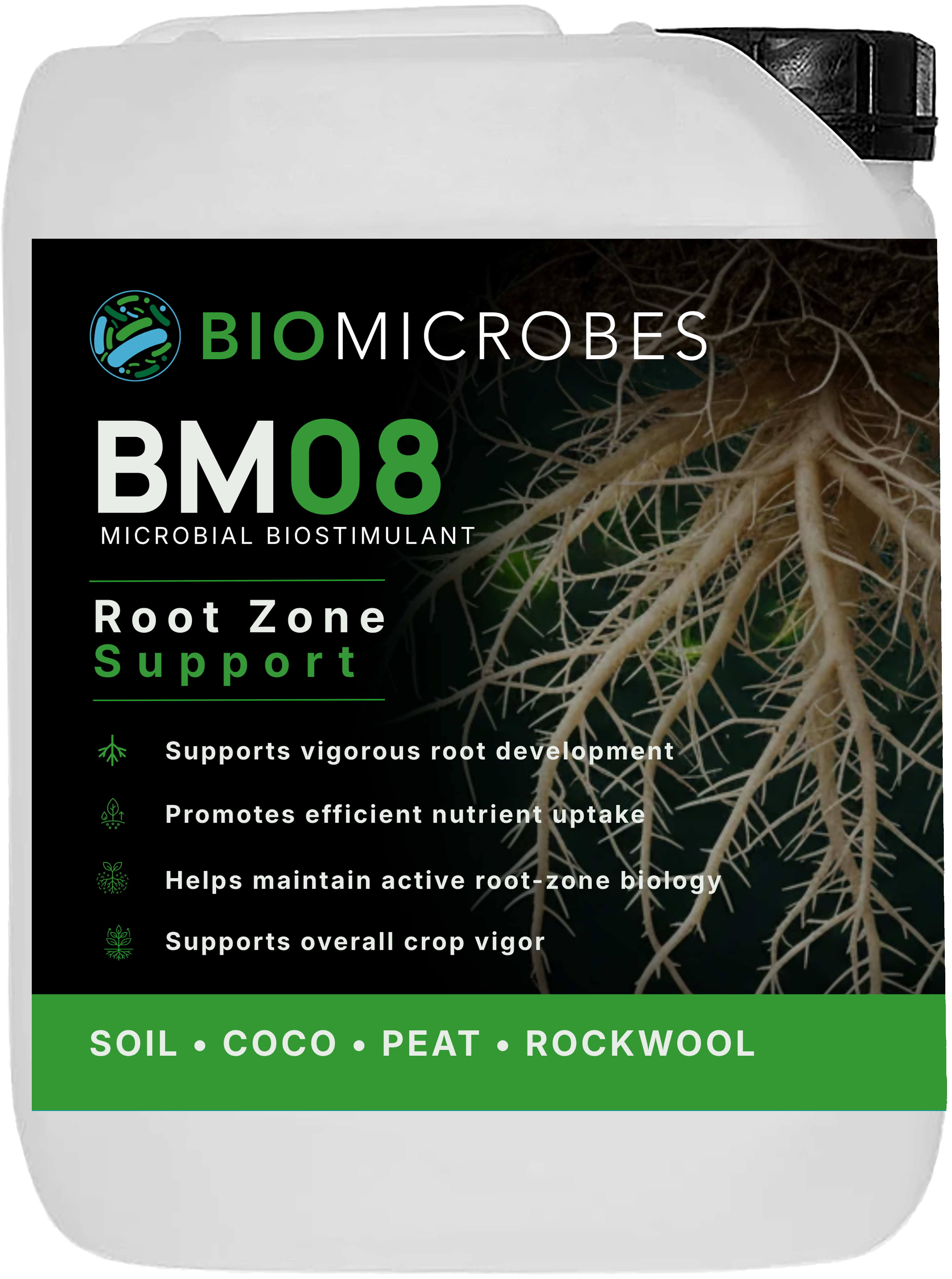 BIOMICROBES 08
Bacillus biostimulant
Multi-species: eight bacterial species
View product →
BIOMICROBES 08
Bacillus biostimulant
Multi-species: eight bacterial species
View product →
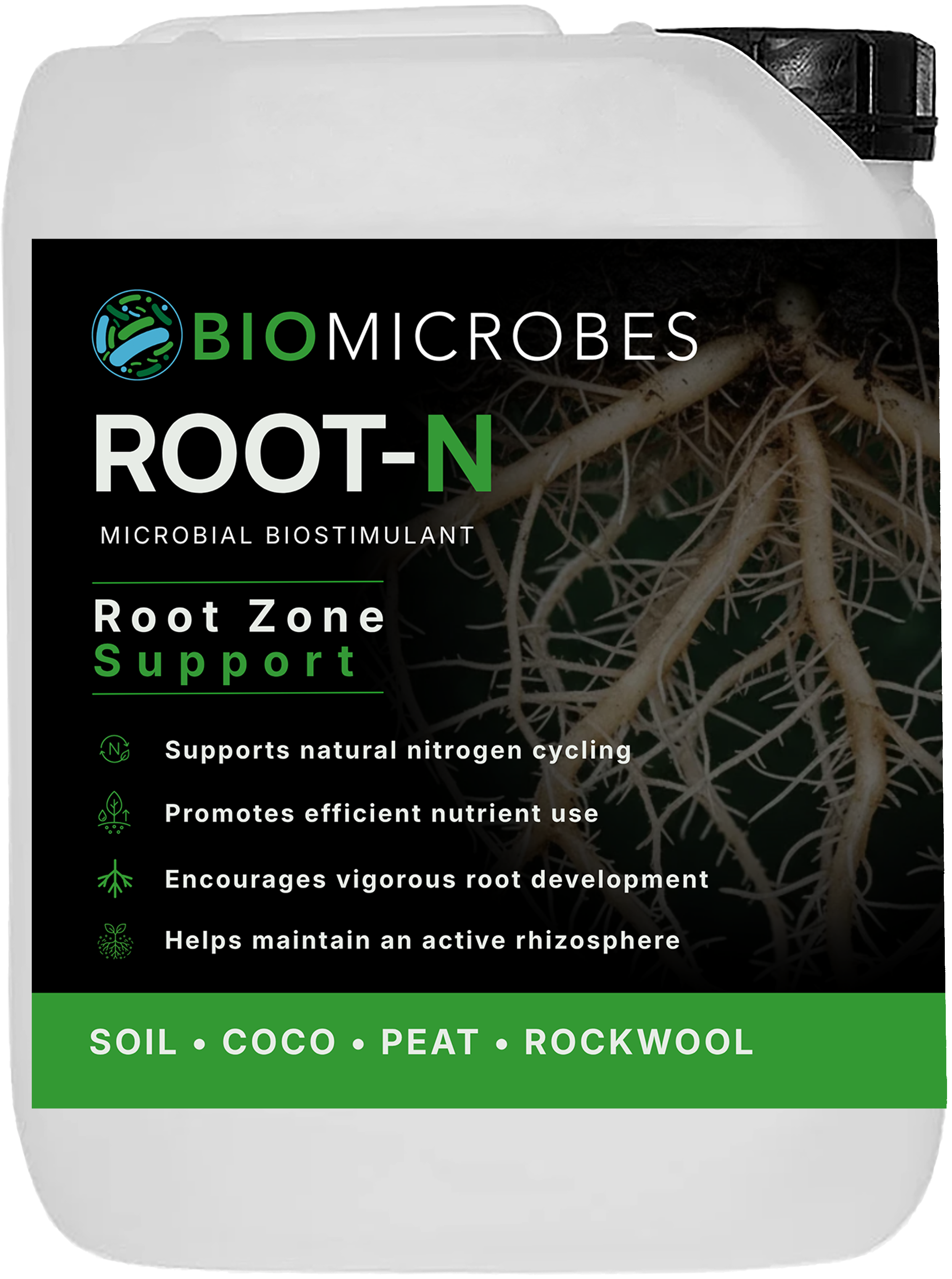 ROOT‑N
Azotobacter biostimulant
Complementary function: nitrogen fixation
View product →
ROOT‑N
Azotobacter biostimulant
Complementary function: nitrogen fixation
View product →
A sound microbial strategy does not necessarily consist of one micro-organism or one formulation. These products should therefore not simply be presented as alternatives to one another.
Discover how the products complement each other →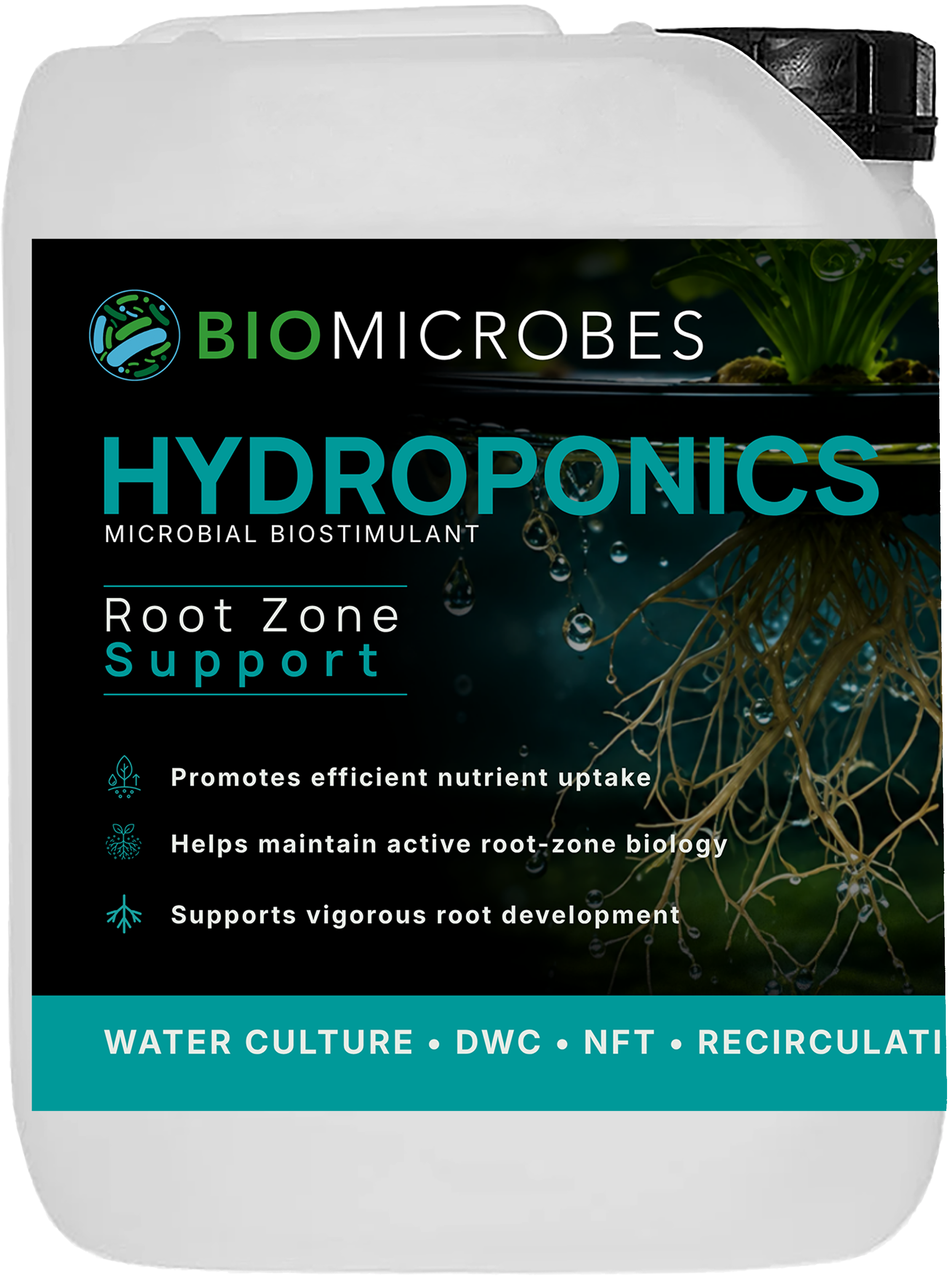 For water-based growing
HYDROPONICS
Microbial formulation for water-based growing systems.
View product →
For water-based growing
HYDROPONICS
Microbial formulation for water-based growing systems.
View product →

More background
What happens microbiologically in the root zone?
Read more about microbial biostimulants →Practical questions
Questions about our root-zone products
How BIOMICROBES 02, BIOMICROBES 08 and ROOT-N differ from one another.