Why we chose these eight bacterial species for BM08
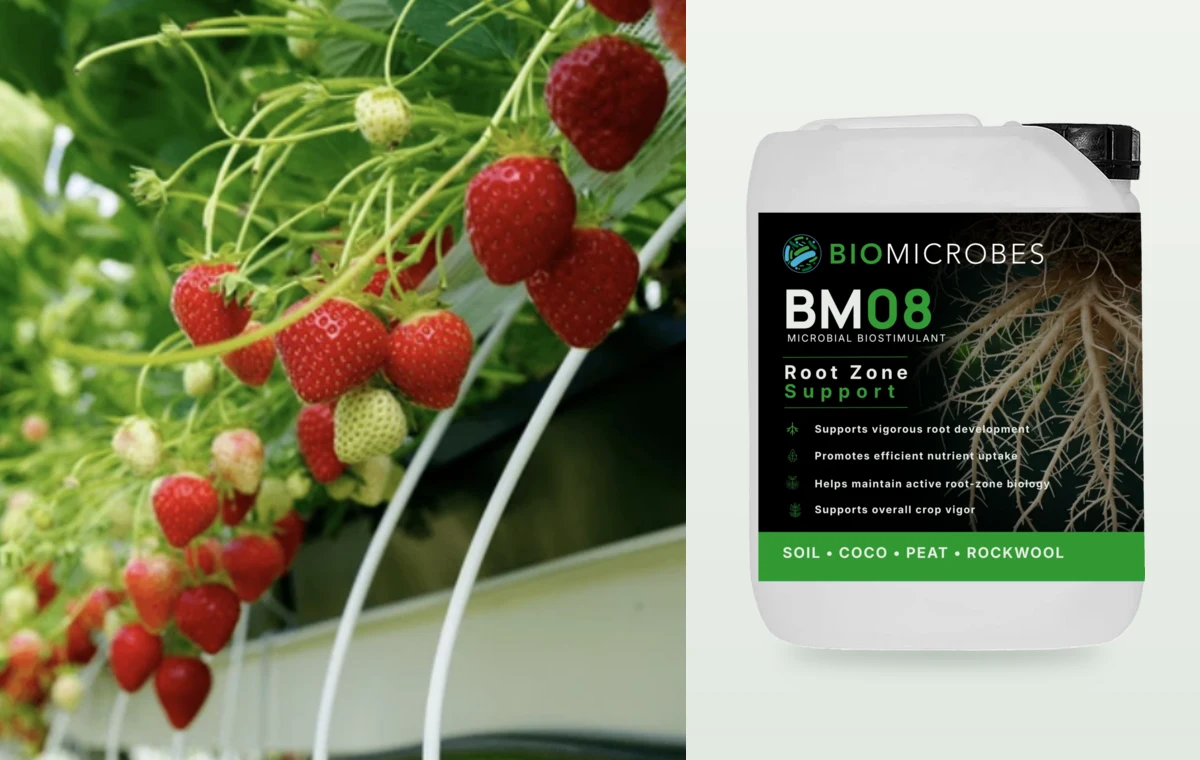
When we looked at the soil around plant roots, we kept finding the same bacterial species. Those were our starting point when we developed BM08. We chose eight of them because the strains we selected brought different, complementary traits to the mix.
How did we choose the strains for BM08?
Two product labels can both say Bacillus subtilis. There are many strains within that species, and another supplier may use a different one from ours. That distinction matters to a grower. Some strains establish themselves on a root more readily than others.
For BM08, we made our selection at the strain level. Whenever I read a study on B. subtilis, I wanted to know which strain the researchers had tested. Published research helped us decide which strains to look at more closely in our lab.
One comparison was between our Bacillus subtilis and Priestia megaterium strains. Our B. subtilis attached more readily to roots. When we looked at the ability to dissolve iron phosphate, our P. megaterium did better.
When we put BM08 together, we looked at what the eight species could contribute as a group. Some of their traits overlap. Several strains can attach to roots, for example, though some attach more readily than others. A single strain may also be worth including for more than one trait. For each candidate, we asked what it would add alongside the strains we had already chosen. With this combination, we aim to support root development and nutrient uptake.
BM08 has been on the market for years, and many growers use it. We want to better understand the good results they report. That means looking more closely at what each species does in the soil. Take the strain that dissolved iron phosphate in our lab. Under what conditions does it do that in the soil around a root? To find out, we need measurements on that particular strain.
How to read CFU/mL on a label and CFU/g on a soil test report
What a strawberry grower found at harvest
Many growers prefer to keep their choice of inputs private. We can still describe an on-farm trial without naming the farm. Another grower can see what was compared, under what growing conditions, and what was measured.
A strawberry grower in the U.S. Midwest weighed individual berries at harvest. The grower compared fruit from plants that received the full BM08 formulation with fruit from plants grown without it.
Among the berries the grower weighed, those from plants grown with BM08 were heavier on average. A larger share of them weighed more than 25 grams.
For a grower, another useful figure is the weight of marketable fruit harvested per plant over a full season. This trial recorded individual berry weights at the sampled harvests. It did not measure full-season marketable yield per plant.
What other crops will we cover?
In future articles we’ll share on-farm observations from lettuce, microgreens, cucumbers, tomatoes, bell peppers, spinach and Brussels sprouts. For each crop, we’ll describe what was measured and how the crop was grown.
One species each week
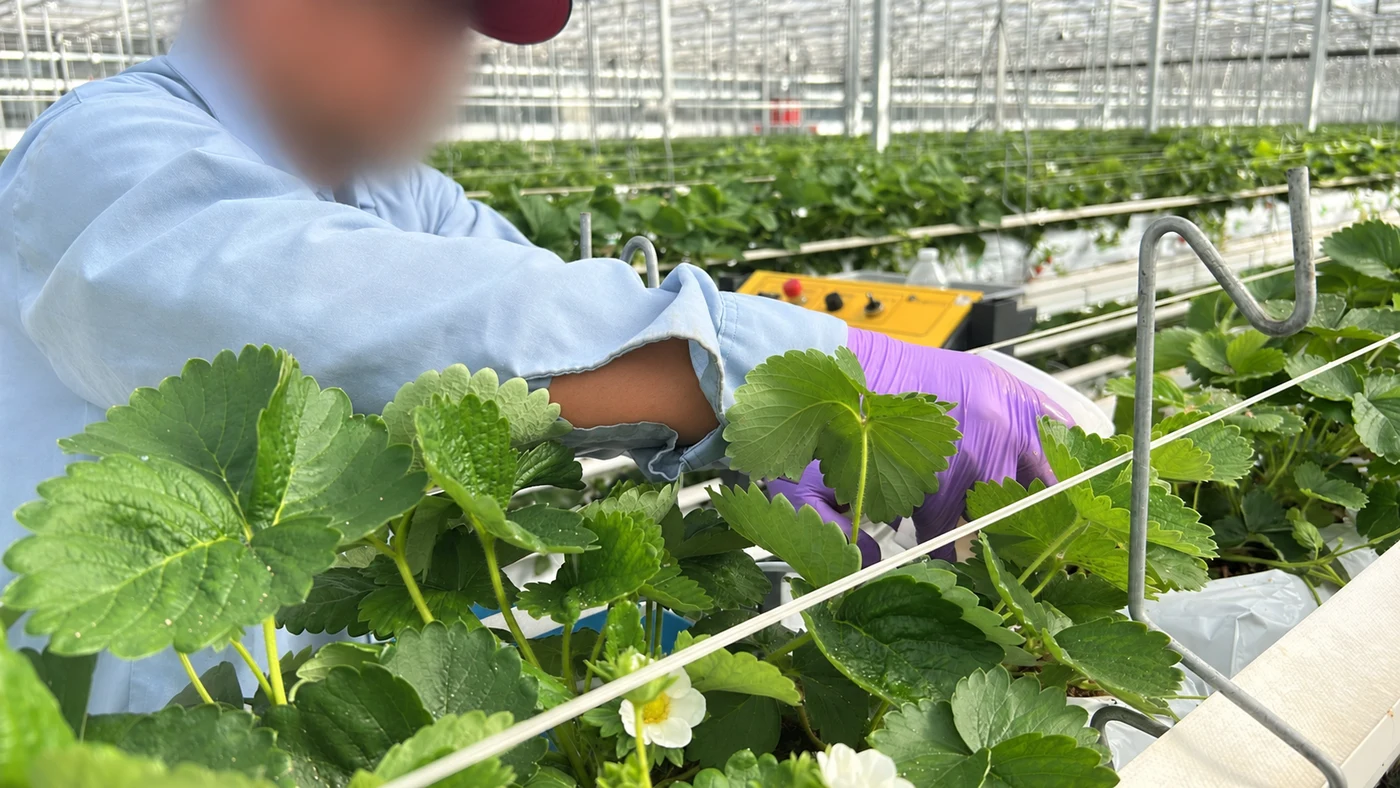
We’ll spend the next eight weeks looking at the species we chose for BM08. We’ll take one each week, starting with Bacillus subtilis. Our strain caught our attention because of how well it attached to roots. Where exactly have researchers found bacteria of this species on a young root? Next week, we’ll look at a study on tomato plants.
Which eight species will we cover?
- Bacillus subtilisBacteria on and around a young root
- Bacillus velezensisHow bacteria share space around roots
- Priestia megateriumHow much of the phosphorus in soil is available to the plant?
- Paenibacillus mucilaginosusPotassium in soil and rockwool
- Bacillus pumilusComparing root length and branching
- Bacillus paralicheniformisWhat can a root sample tell you about the crop?
- Bacillus amyloliquefaciensWhat do bacterial enzymes do in a growing medium?
- Paenibacillus polymyxaWhat holds bacteria together on a root surface?
What question about the root zone has come up in your crop? Ask our team.